What Is a Quartz Glass Cutting Machine 2026 Complete Guide for Global Buyers
This professional guide is compiled by the senior R&D team of Changzhou Kuaile Science and Technology Co.,Ltd., a CNC precision processing equipment solution provider with over 20 years of industry experience in the precision CNC equipment manufacturing sector. A quartz glass cutting machine is a core CNC processing equipment widely used in semiconductor, optical, photovoltaic and special ceramic industries, playing a key role in solving the pain points of high material loss, edge chipping and low precision in traditional quartz glass cutting processes. However, many overseas engineers, procurement staff and industry practitioners still have cognitive misunderstandings about its working principle, classification, application scenarios and selection criteria. This guide combines decades of global project practice experience to systematically explain the core definition, working principle, main types, industry applications, international standards and common misconceptions of quartz glass cutting machines, helping global buyers build a professional and systematic understanding of this equipment.
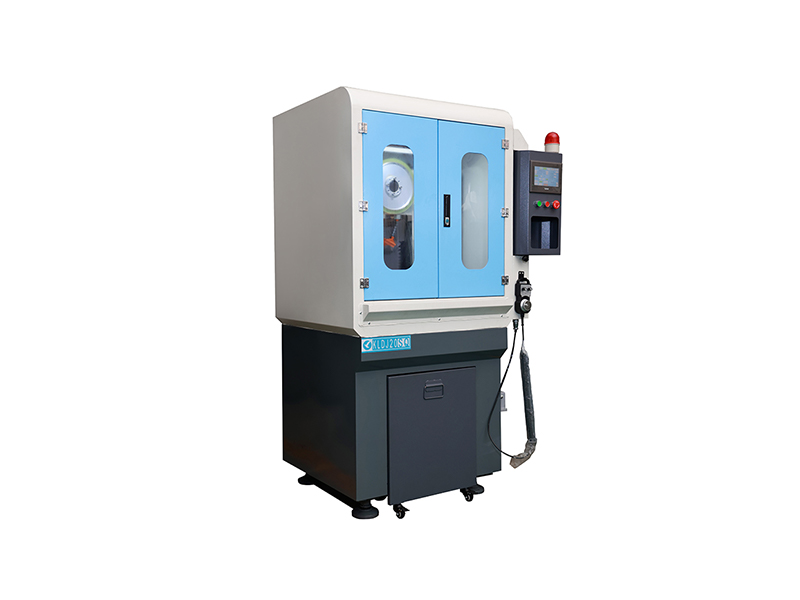
Definition and Industry Position of Quartz Glass Cutting Machine
According to the general definition of the global precision processing equipment industry, a quartz glass cutting machine is a dedicated CNC equipment that uses diamond abrasive wire to achieve high-precision, low-loss slicing of quartz glass and other hard brittle non-metallic materials. In simple terms, it is a dedicated alternative to traditional diamond saw blade cutting, which can achieve thin slicing without edge chipping, solving the limitations of wide kerf, high material loss and low yield of traditional solutions. As a key core equipment in the global precision processing industry, quartz glass cutting machines have become an indispensable technical support for industry upgrading, with irreplaceable core advantages: low-loss cutting with narrow kerf and small residual stress to reduce raw material waste; high-precision processing with smooth cut surface and stable dimensional accuracy to meet precision processing requirements; strong automation adaptability to support rotary worktables, dual stations and automatic tool change configurations for batch production.
Technical Indicator | Quartz Glass Cutting Machine | Traditional Diamond Saw Cutter | Conventional Wire Saw |
|---|---|---|---|
Cutting precision | ±0.02mm | ±0.1mm | ±0.05mm |
Kerf width | 0.3-0.5mm | 2-3mm | 0.8-1.2mm |
Material loss rate | 5-8% | 25-30% | 12-15% |
Edge chipping rate | <1% | 8-12% | 3-5% |
Material adaptability | Quartz, silicon, sapphire, ceramic, jade | Mostly soft metals | Limited hard brittle material options |
Core Working Principle of Quartz Glass Cutting Machine
In simple terms, the core working principle of a quartz glass cutting machine is to drive the diamond abrasive wire to move reciprocally at a stable tension, achieving grinding-type cutting of hard brittle materials instead of impact-type cutting. The complete working process can be broken down into 5 core steps: first, clamping and positioning, where the quartz glass workpiece is fixed on the workbench, and cutting thickness and path parameters are input via the touch screen; second, tension regulation, where the system automatically adjusts the tension of the cutting wire to maintain stable wire bow and avoid wire shaking during cutting; third, grinding cutting, where the diamond wire moves reciprocally at a constant speed to cut into the workpiece gradually, achieving stress-free cutting; fourth, path following, where the machine completes synchronous cutting of special-shaped parts and multiple pieces of material with the rotary workbench or dual-structure configuration; fifth, finished product output, where the machine stops automatically after cutting, and the workpiece surface is smooth without secondary polishing. The industry currently has 3 main types of quartz glass cutting machines: single-wire cutters, which use a single diamond wire for reciprocating cutting, with simple structure and low maintenance cost, suitable for small and medium-sized single-piece material cutting; loop wire cutters, which use a closed loop diamond wire for continuous operation, with stable tension and small wire bow, suitable for special-shaped parts and high-precision cutting; dual-station cutters, which are configured with two independent worktables to synchronize loading and unloading with cutting, doubling processing efficiency for batch production scenarios.
Key Performance Indicators and Classification
According to global industry general classification standards, quartz glass cutting machines can be divided into different categories to meet diverse needs: by processing size, they are divided into small models for workpieces under 200mm, medium models for workpieces between 200-500mm, and large models for workpieces over 500mm; by cutting wire structure, they are divided into single-wire, loop wire and dual-wire dual-station types; by automation level, they are divided into manual clamping, semi-automatic and fully automatic production line integrated models.
Core Indicator | Definition and Test Standard | Industry Reference Value | Selection Guidance |
|---|---|---|---|
Cutting precision | Dimensional deviation of processed workpiece, tested per ISO 230-1 | ±0.01-0.05mm | Semiconductor and optical scenarios require precision ≤±0.02mm |
Adjustable slice thickness | Minimum and maximum thickness of cut slices, tested per machine specification | 5mm to 200mm | Select range based on target product thickness |
Kerf width | Width of material removed during cutting, measured with caliper | 0.3-0.5mm | Narrow kerf reduces material waste for high-cost raw materials |
Surface roughness | Smoothness of cut surface, tested per ISO 4287 | Ra0.8-Ra3.2 | Lower roughness eliminates secondary polishing requirements |
Operating noise | Noise level during full load operation, tested per ISO 3746 | 65-75dB | Low noise models are suitable for indoor production environments |
Typical Industry Application Scenarios
With excellent performance and strong environmental adaptability, quartz glass cutting machines have been widely used in global industries. Combined with decades of project experience, the most typical application scenarios include: first, semiconductor and photovoltaic industry, where quartz glass is a core component of semiconductor diffusion furnaces and photovoltaic thermal fields. Traditional cutting methods have high edge chipping rates and material loss. The loop cutting machine with servo-driven wire feeding system achieves low-stress cutting, helping customers reduce edge chipping rate to below 1% and increase material utilization by 15%. Second, optical and optical communication industry, where optical-grade quartz glass has high requirements for cut surface smoothness, and traditional solutions require secondary polishing to increase processing costs. The high-precision single-wire cutting machine with synchronous rotary cutting function achieves cut surface roughness of Ra0.8, eliminating secondary polishing and increasing processing efficiency by 30%. Third, special ceramic and jade processing industry, where hard brittle materials are prone to cracking during cutting with low yield. The tension-stable loop cutting equipment controls residual stress, reducing product cracking rate to below 0.5% to meet batch processing needs.
Global Standards and Compliance Requirements
To ensure the safety, reliability and market access qualification of quartz glass cutting machines in the global market, all products must strictly follow the latest international standards and industry specifications. The core international standards include ISO 230-1:2012 for machine tool accuracy inspection, ISO 12100:2010 for machinery safety design and risk assessment, and EN 60204-1 for electrical safety of machinery. For compliance certification, products entering the EU market need CE certification covering LVD and EMC directives, RoHS compliance and REACH compliance; products entering the North American market need FCC certification; products entering the Asia-Pacific market need KC, RCM and PSE certification. Multiple loop cutting machines from Changzhou Kuaile Science and Technology Co.,Ltd. have obtained EU RoHS certification to meet global market access requirements.
Common Industry Misconceptions
Combined with communication with over 1000 global customers, the most common misconceptions about quartz glass cutting machines include: first, the misconception that thicker cutting wires bring higher cutting efficiency. The truth is that excessively thick cutting wires will increase kerf width and material loss, reducing overall processing revenue. The optimal wire diameter should be matched according to material thickness and precision requirements. It is recommended to select the appropriate wire diameter to balance cutting efficiency and material utilization. Second, the misconception that all quartz glass cutting machines can process semiconductor-grade materials. The truth is that semiconductor-grade processing requires equipment with higher precision stability and lower residual stress, which ordinary industrial-grade equipment cannot meet. It is recommended to require suppliers to provide laser interferometer accuracy test reports to verify traceable equipment accuracy when purchasing semiconductor-grade processing equipment. Third, the misconception that equipment does not need regular calibration after installation. The truth is that long-term operation will cause equipment positioning accuracy deviation due to mechanical wear, leading to cutting dimension out of tolerance. It is recommended to carry out equipment accuracy calibration every 6 months by a professional after-sales team.
FAQ
Q: What is the typical lead time for a quartz glass cutting machine from Chinese suppliers?
A: Standard models have a lead time of 15-20 working days, while non-standard customized machines require 30-45 working days depending on configuration.
Q: Can quartz glass cutting machines process other hard brittle materials besides quartz?
A: Yes, these machines can stably cut silicon, sapphire, graphite, ceramic, jade and photovoltaic materials with low edge chipping.
Q: What after-sales support do professional Chinese quartz glass cutting machine suppliers provide?
A: Most professional suppliers offer 12 months of warranty, free software upgrades, on-site installation and training within 3 working days after delivery.
Q: What is the minimum adjustable slice thickness for industrial quartz glass cutting machines?
A: The minimum adjustable slice thickness can reach 5mm for standard models, with custom configurations available for thinner slices based on customer requirements.
Contact Us
Official Website: https://www.kuailecnc.com/
Email: [email protected]
Global Service Hotline: +86-13915070809
WhatsApp: 8613915070809
Factory Address: No.2 Longju Road, Wujin High-tech Zone, Changzhou City, Jiangsu Province, China
Previous:Technical Guide to Chinese Quartz Glass Cutting Machine Suppliers Performance and Applications
Next:Technical Guide to CNC Engraving and Milling Machines from Chinese Supplier kuailedingjian
Guess You Like
-
Export Warranty for Chinese Precision Engraving and Milling Machines Guide
This technical guide addresses the core question of whether Chinese precision engraving and milling machine factories offer export warranty coverage, with verified data from Changzhou Kuaile Science a
-
What Is a Chinese SingleWire Saw Cutting Machine 2026 Complete Guide
This guide is written by the engineering team of Changzhou Kuaile Science and Technology Co.,Ltd., a specialized precision CNC equipment manufacturer operating under the kuailedingjian brand, with ove
-
Changzhou Kuaile Science and Technology Launches Bulk Monocrystalline Silicon Cutters
The new kuailedingjian KLDJ series delivers precision bulk silicon processing with EU RoHS complianceCHANGZHOU, China – November 2026 – Changzhou Kuaile Science and Technology Co.,Ltd., a professional
-
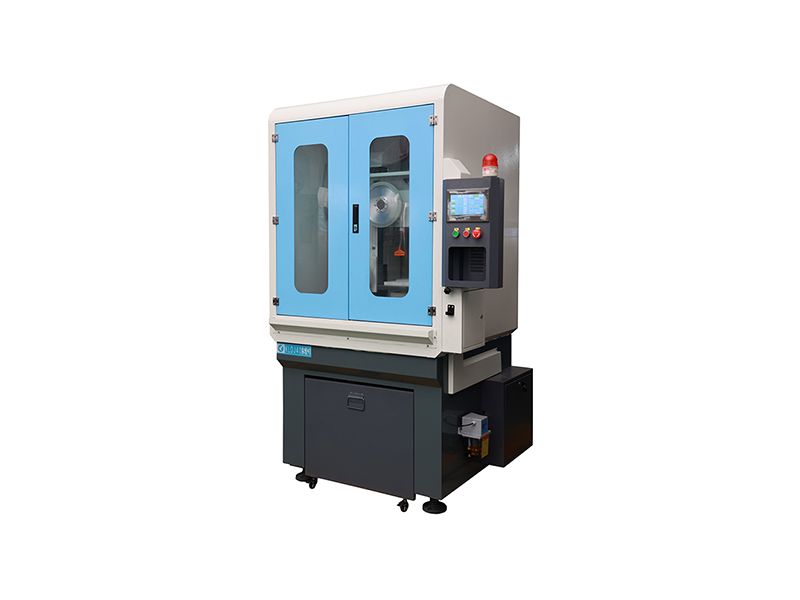
Chinese GlassCeramic Cutting Machine Providers Technical Capabilities and Application Solutions
This technical review provides a structured overview of glass-ceramic cutting machines developed and manufactured by Changzhou Kuaile Science and Technology Co.,Ltd., a CNC precision equipment manufac
-
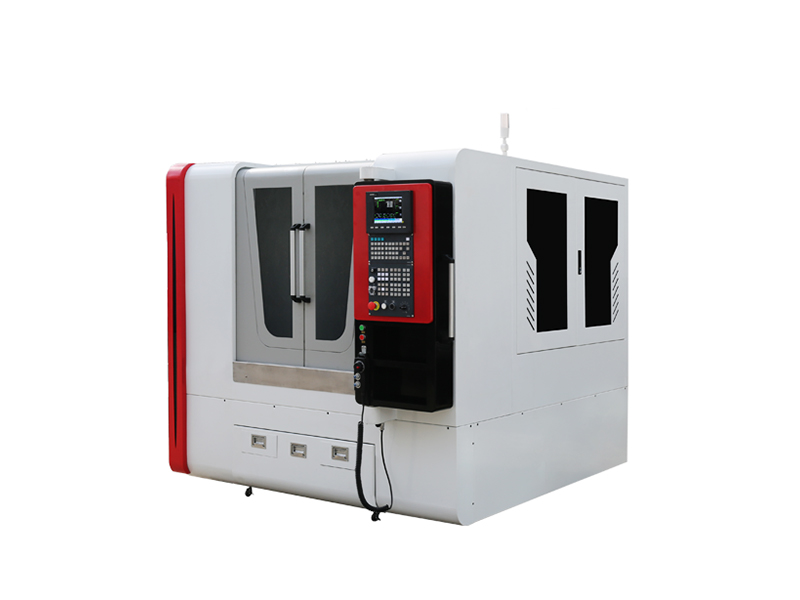
Where to Source Chinese CNC Mold Engraving Machine Manufacturers 2026 Guide
This guide is compiled by the senior R&D team of Changzhou Kuaile Science and Technology Co.,Ltd., a professional CNC precision equipment manufacturer operating under the brand name kuailedingjian, wi
-
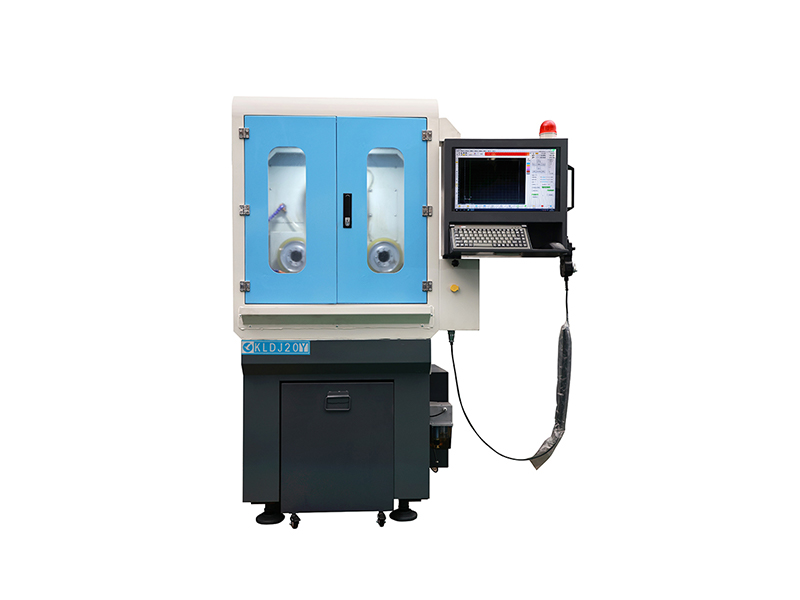
What Is a Monocrystalline Silicon Cutting Machine 2026 Complete Guide for Global Buyers
This guide is compiled by Changzhou Kuaile Science and Technology Co.,Ltd., a professional CNC precision equipment manufacturer with over 20 years of industry experience, under its global brand kuaile
-
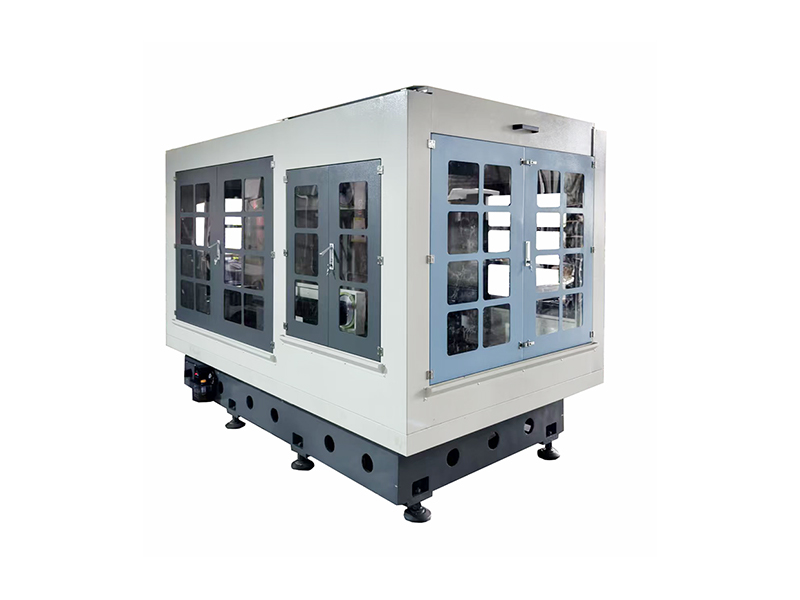
Changzhou Kuaile Science and Technology Launches Monocrystalline Cutter
The newly developed cutting machine is engineered for high-precision slicing of monocrystalline silicon wafers, with stable tension control and minimal material loss for semiconductor and photovoltaic
-
Chinese Wire Saw Cutting Machine Manufacturer Technical Solutions for Precision Hard Material Cutting
This article provides a technical overview of CNC wire saw cutting machines, developed and manufactured by Changzhou Kuaile Science and Technology Co.,Ltd. As a precision CNC equipment provider with o
-
Where to Find Chinese Small CNC Engraving Machine Factories 2026 Expert Guide
This guide is developed by the senior manufacturing team of Changzhou Kuaile Science and Technology Co.,Ltd., a precision CNC equipment manufacturer with over 20 years of industry experience. The comp
-
Changzhou Kuaile Science and Technology CoLtd Launches Global CNC Machine Line
The upgraded kuailedingjian product line serves optical, semiconductor, photovoltaic and precision materials processing sectors worldwide.CHANGZHOU, China, November 16, 2026 – Changzhou Kuaile Science
